
GLOBAL BUSINESS CONTINUITY & CRISIS EVENTSAdvanced Operational Excellence (ADVOX) | Business Continuity, Risk & Resilience - Consulting & Training
Major global incidents since 2000
A timeline of events that shaped business continuity, risk and resilience thinking.
Timeline
Events that changed how we plan.
A neutral, factual summary for business continuity awareness, drawn from public reports. Not legal or security advice. Images are original illustrations, not photographs of the events.
2000–2009
- May 2000
 ILOVEYOU computer worm. One of the first mass email worms spread worldwide within days, disrupting email systems in many organisations.
- 11 Sep 2001
 September 11 attacks (US). The attacks destroyed the World Trade Center and disrupted financial markets, aviation and communications. They reshaped business continuity, emergency planning and recovery site arrangements.
- 2002–2003
 SARS outbreak. An outbreak across Asia and beyond disrupted travel and trade and led many organisations to plan for pandemic absence for the first time.
- 14 Aug 2003
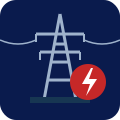 Northeast blackout (US and Canada). A power failure affected tens of millions of people, shutting down transport, businesses and services for hours to days.
- 26 Dec 2004
 Indian Ocean earthquake and tsunami. One of the deadliest natural disasters on record affected many countries, with large humanitarian and economic impact.
- Aug 2005
 Hurricane Katrina (US). Flooding of New Orleans and the Gulf Coast disrupted energy, ports, communications and local business for months.
- 7 Jul 2005London transport bombings. Attacks on the transport network restricted access to central London and tested business continuity plans in the City.
- 11 Dec 2005
 Buncefield oil depot fire (UK). A major explosion and fire at a fuel depot damaged neighbouring businesses and disrupted fuel supply.
- 12 May 2008Sichuan earthquake (China). A major earthquake caused heavy loss of life and disrupted supply chains in manufacturing regions.
- 26–29 Nov 2008Mumbai attacks (India). Coordinated attacks on hotels, a station and other sites led to new thinking on security and crisis management for businesses.
- 15 Sep 2008
 Global financial crisis. The collapse of Lehman Brothers triggered a worldwide financial crisis and highlighted counterparty and systemic risk.
2010–2019
- 12 Jan 2010Haiti earthquake. A catastrophic earthquake devastated the capital and tested international aid and logistics.
- 20 Apr 2010
 Deepwater Horizon oil spill (Gulf of Mexico). An offshore drilling rig explosion led to a major oil spill and long-running legal and operational consequences.
- Apr 2010
 Icelandic volcanic ash cloud. Ash from Eyjafjallajökull closed much of European airspace for days, stranding travellers and disrupting cargo.
- 11 Mar 2011Tōhoku earthquake, tsunami and Fukushima (Japan). A massive earthquake and tsunami caused huge loss and a nuclear accident, disrupting global manufacturing supply chains, especially automotive and electronics.
- Jul–Nov 2011
 Thailand floods. Widespread flooding of industrial estates disrupted global supplies of components such as hard disk drives.
- Oct 2012Hurricane Sandy (US). Flooding and power loss in New York and New Jersey closed markets, offices and data centres for days.
- 24 Apr 2013
 Rana Plaza collapse (Bangladesh). The collapse of a garment factory building prompted global attention to supply chain safety and responsibility.
- 2014–2016Ebola epidemic (West Africa). A major outbreak affected communities and trade and showed the need for health crisis planning.
- 12 Aug 2015Tianjin port explosions (China). Explosions at a chemical warehouse near a major port caused serious damage and disruption to trade.
- 21 Oct 2016Dyn DDoS attack. A large attack on a DNS provider disrupted access to many popular websites and services.
- 12 May 2017WannaCry ransomware. Ransomware spread worldwide and disrupted organisations including parts of the UK health service.
- 27 Jun 2017NotPetya cyber attack. Destructive malware spread through software updates and caused major losses at global companies, including in shipping and logistics.
- Aug–Sep 2017Hurricanes Harvey, Irma and Maria. A series of hurricanes struck the US and Caribbean, damaging infrastructure, energy and supply chains, and leaving Puerto Rico without power for months.
- Mar 2019
 Boeing 737 MAX grounding. Aircraft were grounded worldwide after two fatal crashes, with long-term impact on airlines and suppliers.
- 14 Sep 2019Attacks on Saudi oil facilities. Drone and missile strikes at Abqaiq and Khurais temporarily cut a large share of Saudi oil production, showing regional energy infrastructure risk.
2020–2023
- 11 Mar 2020COVID-19 pandemic. The World Health Organization declared a pandemic. Lockdowns, travel limits and absence disrupted every sector and made remote working the norm.
- 4 Aug 2020Beirut port explosion (Lebanon). A huge explosion of stored chemicals destroyed much of the port and caused heavy damage to the city.
- Dec 2020SolarWinds supply chain attack. Malicious code inserted into software updates affected many organisations and government bodies.
- Feb 2021Texas winter storm (US). Extreme cold caused power and water failures for millions and halted industry.
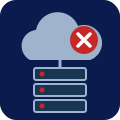
- 10 Mar 2021OVHcloud data centre fire (France). A fire destroyed a data centre and took many customers’ sites and services offline.
- 23–29 Mar 2021
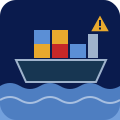 Suez Canal blockage. A container ship ran aground and blocked the canal for about a week, holding up a large share of world trade.
- 7 May 2021Colonial Pipeline ransomware (US). A ransomware attack led to the shutdown of a major fuel pipeline, causing fuel shortages in parts of the US.
- Jul 2021Floods in Germany and Belgium. Severe floods destroyed homes, businesses and infrastructure in western Europe.
- 4 Oct 2021
 Facebook outage. A configuration error took Facebook, Instagram and WhatsApp offline for hours.
- Dec 2021Log4Shell vulnerability. A widely used software component was found to have a critical flaw, forcing urgent patching across industries.
- 24 Feb 2022Russia’s invasion of Ukraine. The war disrupted energy, food and shipping, raised sanctions and cyber risk, and prompted many firms to review geopolitical exposure.
- 6 Feb 2023Türkiye–Syria earthquakes. Powerful earthquakes caused severe loss of life and widespread damage across southern Türkiye and northern Syria.
- Nov 2023Red Sea shipping attacks begin. Attacks on commercial vessels began a prolonged diversion of shipping around Africa.
2024 onwards
- 2024See the 2024 log. CrowdStrike, Change Healthcare, Baltimore bridge, UAE floods and more. 2024 Global Incident Log
- 2025See the 2025 log. Iberian blackout, Heathrow fire, JLR and airport cyber attacks, major cloud outages. 2025 Global Incident Log
- 2026See the 2026 GCC log. Regional conflict, airspace, energy and shipping disruption. 2026 GCC Incident Log
Themes
What these events teach.
Plan for the impossible-seeming
Events such as 9/11, Fukushima and COVID-19 were treated as extremely unlikely until they happened. Plan for impacts, not only causes.
Know your dependencies
Suppliers, ports, canals, cloud providers and power grids sit behind most disruptions. Map them and test alternatives.
Cyber is now operational
From NotPetya to ransomware on pipelines and retailers, cyber events stop physical operations, not just IT.
Practise and learn
Exercises, reviews and honest lessons-learned turn bad events into stronger organisations.
Sources
- The Business Continuity Institute (BCI) ↗
- Year in Risk 2024 (RM Magazine) ↗
- Biggest IT outages in history (G2) ↗
- Hurricane Katrina (Wikipedia) ↗
- Tōhoku earthquake and tsunami (Wikipedia) ↗
- COVID-19 pandemic (Wikipedia) ↗
Compiled from public reports and simplified. Dates, figures and causes are as reported at the time and may have been revised. Check the original sources for the full picture.